
Among Us remains a recognizable social-deduction title in 2026, and its color-selection screen still functions as a tiny personality test before any task bar fills. The premise is simple: innocent crewmates complete tasks while an imposter sabotages, vents, and eliminates rivals. Yet the lobby's social game begins earlier, when every player claims a hue. The game's long-standing community lore treats each color as a shorthand for behavior, and that shorthand still shapes accusations, alliances, and emergency meetings in modern lobbies. The colors do not determine skill, but they influence how others read a crewmate's silence, speed, and voting patterns. The following guide describes the established color reputations and how they can affect play in 2026.
| Color | Reputation | Imposter Value | Crewmate Risk |
|---|---|---|---|
| 🔴 Red | Loud, assertive, influential | High, but heavily suspected | Very high |
| 🟠 Orange | Neutral, oblivious, meeting-happy | Moderate | Low |
| 🟡 Yellow | Unpredictable, either brilliant or treacherous | Moderate | High |
| 🟢 Lime | Sneaky, chaotic, blame-shifting | High | Medium |
| 🟩 Green | Suspicious, villain-coded | Medium | High |
| 🔵 Cyan | Universally suspected | High as a scapegoat strategy | Very high |
| 🔷 Blue | Passionate, inconsistent, noisy | High if reckless | High |
| 🟣 Purple | Manipulative, untouchable | Very high | Low |
| 🌸 Pink | Childlike, ignored, easy to eject | Low | Medium |
| 🟤 Brown | First to be thrown out | Low | Very high |
🔴 Red: The Loud Center of Attention
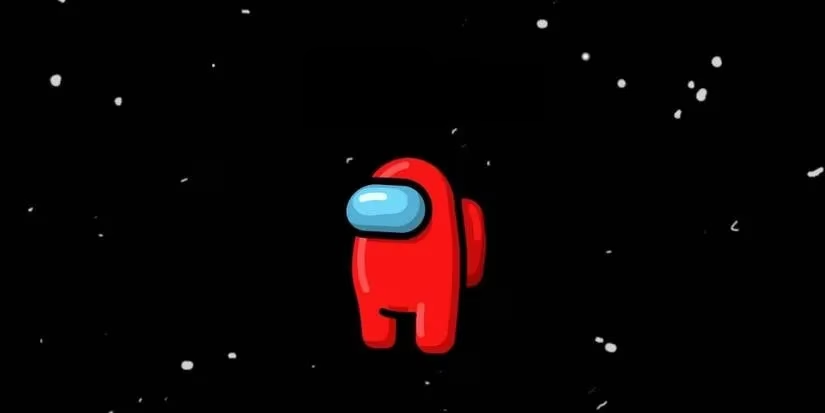
Red is an assertive color. Players who select red are often loud, influential, and active in every chat and meeting. They tend to push discussions forward, defend allies, and challenge suspicious behavior. That visibility cuts both ways. Crewmates are more likely to suspect red characters than almost anyone else, so a red player must tread lightly. In 2026 lobbies, red remains a magnet for accusations, and an imposter wearing red can expect every crewmate to watch their movements. A crewmate in red may be blamed simply for being prominent, which makes red one of the most socially dangerous colors in the game.
🟠 Orange: The Neutral Meeting Caller

Orange is neutral ground. Few players can stay angry at an orange, and orange characters are often oblivious to the drama around them. They usually do what has to be done and do not bother much with others' opinions. Community lore also notes that orange players are frequently the ones calling emergency meetings, sometimes for reasons that feel urgent only to them. That meeting-happy reputation can be useful for an imposter who wants to disrupt task progress, but it can also make orange a low-priority suspect. An orange player can profit from being underestimated.
🟡 Yellow: The Unpredictable Wildcard

Yellow can be a crewmate's biggest nightmare or best friend. There is no in-between. A yellow character is just as good at stabbing people in the back as they are at getting things done and identifying the imposter. That duality makes yellow one of the least trusted hues. Imposters cannot reliably use yellow's reputation to their advantage, because yellow is always a little suspicious. In modern matches, a yellow player who speaks too confidently may be ejected on principle, while a quiet yellow may be accused of hiding something. Yellow thrives on unpredictability.
🟢 Lime: The Sneaky Blame-Shifter
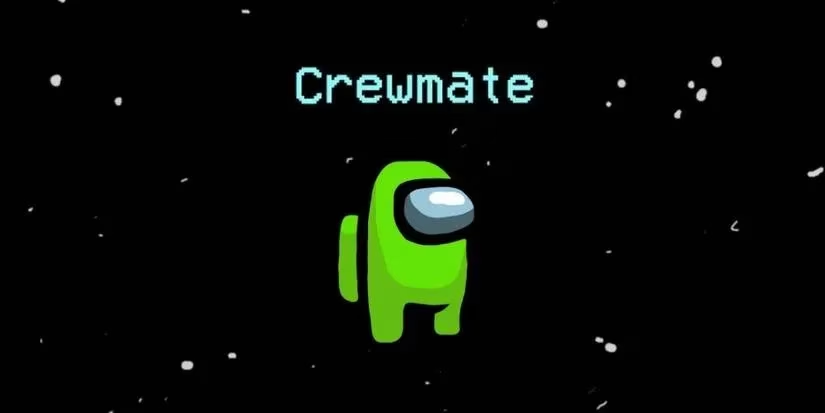
Lime is a sublime choice, and the pun fits its reputation. Lime will not hesitate to throw cyan under the bus for basically anything. Lime players are often sneaky, able to get away with small inconsistencies, and willing to redirect suspicion before it lands on them. Every player has to keep an eye on lime. An imposter who chooses lime must be careful not to get too cocky, because the color's chaotic energy can backfire. When lime is crewmate, the player may become a valuable but unpredictable ally. When lime is imposter, the lobby often learns too late that the quiet green crewmate was the threat.
🟩 Green: The Villain-Coded Suspect
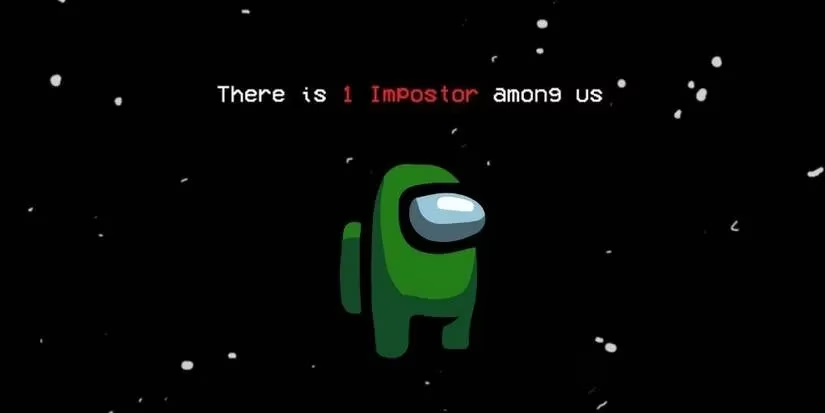
It is no accident that many fictional villains are green. Green players are often treated as suspicious every time, much like reds. An imposter choosing green needs a foolproof alibi ready in every emergency meeting, because chances are they will get accused at least twice. For crewmates, green is a convenient target. Even when green is innocent, other players may accuse them simply because the color feels guilty. The social pressure can crack an inexperienced green player, which makes green a high-risk choice for anyone who dislikes being questioned.
🔵 Cyan: The Eternal Scapegoat
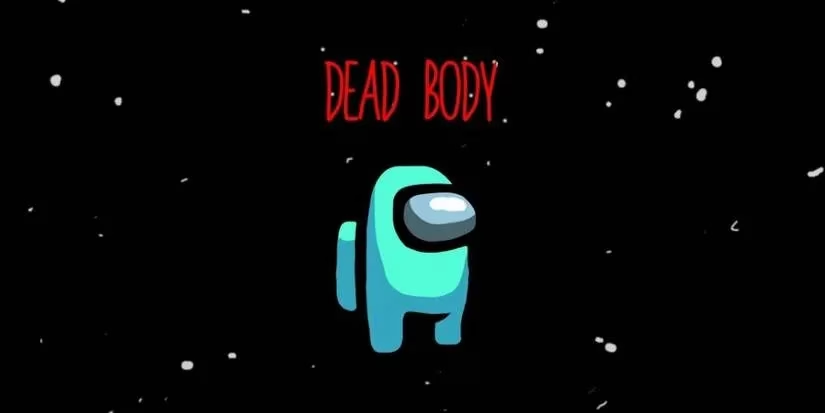
Cyan is suspicious even when they are not. This is a powerful strategy for any imposter: accuse cyan. If cyan is a crewmate, they will probably be the first to call a meeting, competing with orange for that honor. If cyan is the imposter, they may struggle to escape the cloud of suspicion that follows the color. Cyan is incredibly suspicious in every game, even while doing a task. In 2026 lobbies, cyan remains a common scapegoat, and smart imposters use that reputation to bury their own tracks.
🔷 Blue: The Passionate Chaos Agent
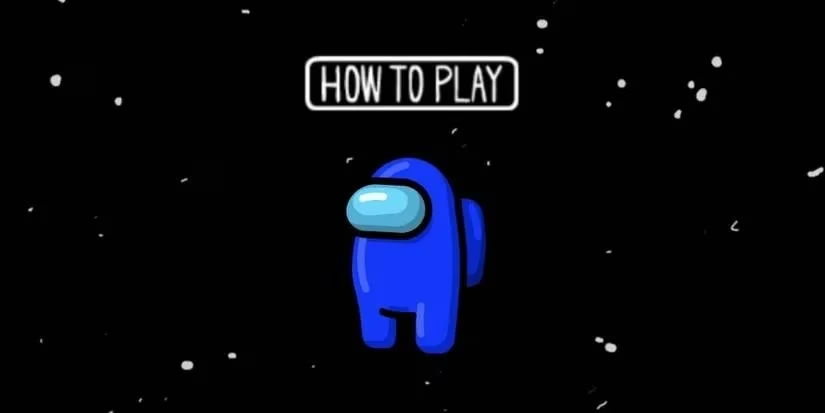
Blue is passionate. If blue is the imposter, they may slash throats in every corner and rely on luck to avoid capture. If blue is a crewmate, they will be on top of every task to the point that nothing gets done, because they move with urgency and little patience. In meetings, blue can be oblivious, accusing left and right, and their story is never straight even when they are innocent bystanders. That inconsistency makes blue just as suspicious as red in many rounds. Blue players bring energy, but they also bring confusion.
🟣 Purple: The Untouchable Manipulator

Purple players are often described as either mothers of young children or unstoppable social operators, with no in-between. No one ever accuses purple unless they are actually seen killing someone or using a vent. Purple players are masters of manipulation, and they thrive as both crewmates and imposters. Having purple on the imposter team is a must in many lobbies, because their calm demeanor can redirect suspicion with surgical precision. A purple crewmate can also become a trusted voice, which makes the color one of the strongest social picks in the game.
🌸 Pink: The Underestimated Background Player
Pink is treated as a child, no matter the age of the player. People simply cannot take pink seriously, and pink players are often stuck in the background. That invisibility can be a gift. If pink gets accused of anything, everyone may agree with alarming speed, as if the answer was right before their eyes. Pink players must tread lightly because one slip-up can lead to ejection. In 2026 matches, pink remains a low-profile color that rewards patience and punishes recklessness.
🟤 Brown: The First to Be Ejected
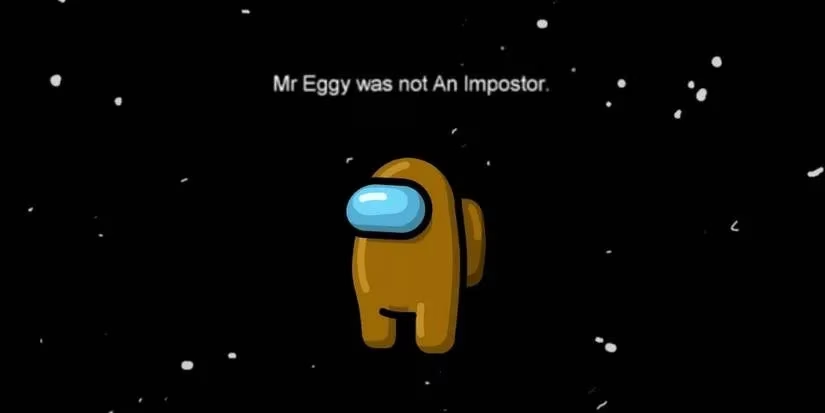
Brown is usually the first to get thrown out. Just like blue, brown's story often fails to hold up even when the player is innocent. People who choose brown need their stories straight, because one slip means ejection even if they were only doing a task. Brown will always be suspicious because it is easy to accuse them. The color offers little social cover, and imposters who choose brown must work twice as hard to survive the first meeting. For crewmates, brown is a test of composure under pressure.
🧠 The Color Meta in 2026
The color meta is not a rulebook, but a social layer that sits on top of task completion and sabotage. In 2026, experienced players still use color reputations as shortcuts during discussion, even when they know the assumptions are unfair. A red player may be watched more closely, a purple player may be trusted too quickly, and a cyan player may be accused before anyone checks the evidence. The best players recognize these patterns and use them deliberately. An imposter can hide behind a harmless hue, while a crewmate can overcome a suspicious color by providing clear alibis and consistent reports. Among Us remains a game of observation, deception, and conversation, and the color chosen at the start is still the first sentence in that conversation.
The following analysis references The Verge - Gaming, whose reporting often examines how player behavior, platform culture, and design choices shape multiplayer experiences beyond raw mechanics. In a game like Among Us, that perspective helps explain why color reputation persists as a social meta in 2026: players are not just reacting to tasks and sabotage, but also to shared expectations, visual shorthand, and lobby-born narratives that influence trust before any hard evidence appears.