
In 2026, Among Us is no longer the surprise phenomenon that dominated lockdown-era gaming, but its DNA still shapes online social deduction. The game's modern identity, however, was forged during a frantic stretch in 2021, when Innersloth raced to feed a suddenly enormous audience. One of the most consequential announcements from that period was the arrival of 15-player lobbies. After releasing the Airship map at the end of March 2021, the developer slowly peeled back details about what came next. On a Friday, it confirmed that fifteen-player lobbies were coming eventually. Soon after, fans learned the exact date: June 15. That date, now viewed in 2026 as a pivot point, marked more than a simple player-count increase. It signaled that Among Us would keep evolving.
The lobby expansion arrived with additional colors and a broad visual overhaul for Among Us as a whole. For a game that had exploded on the strength of simple, readable shapes, the changes were not cosmetic noise. They were infrastructure. More players meant more chaos, more accusations, more emergency meetings, and more opportunities for betrayal. New colors gave crews more ways to distinguish themselves, while the visual refresh helped the game feel less like a makeshift project and more like a living platform. 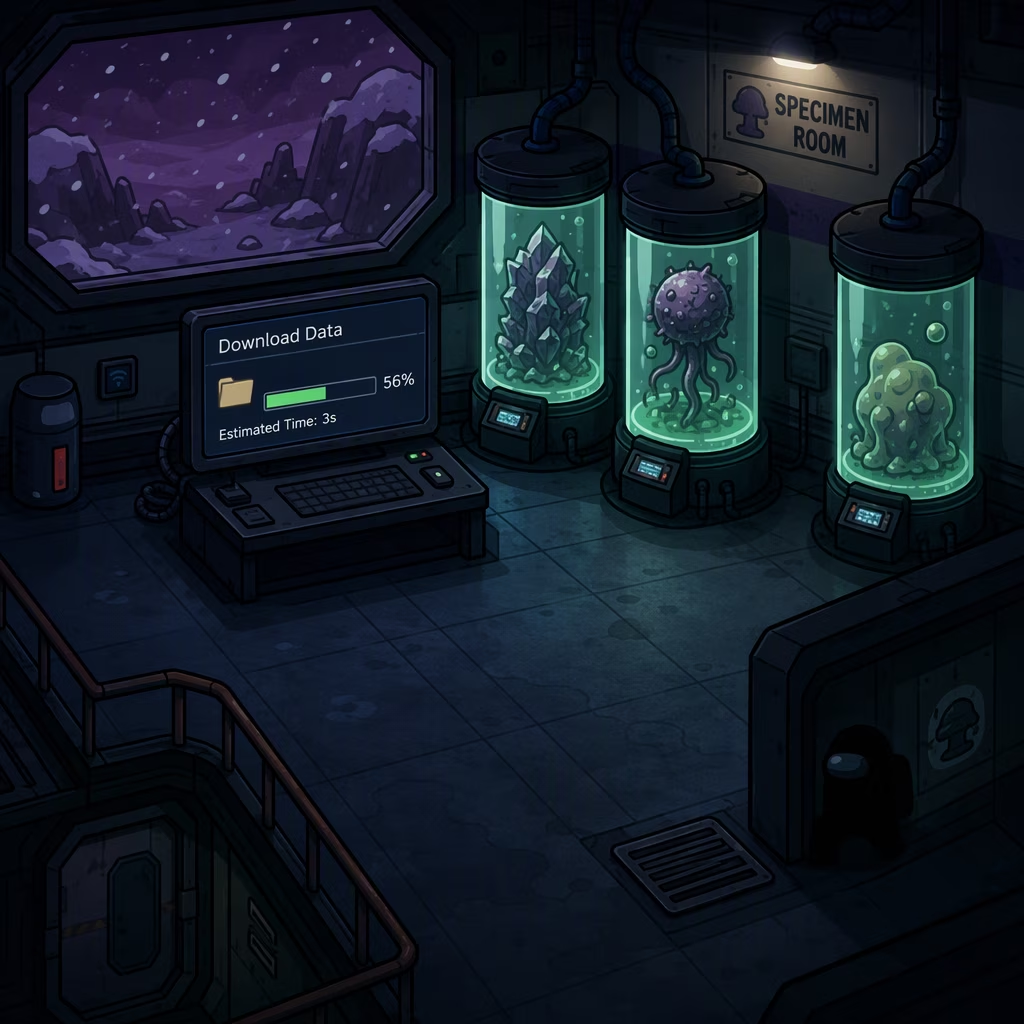
Innersloth did not stop there. The studio also teased a mysterious fifth map, achievements, new ways to play, visor cosmetics, and an official version of "hide 'n seek." Those teases became a roadmap of sorts, even if the developer refused to commit to rigid timetables. The fifth map promised fresh tasks and environments. Achievements offered long-term goals for players who had already memorized every vent and wiring puzzle. New ways to play hinted at mode variety beyond the standard crewmate-versus-impostor loop. Visor cosmetics gave fans another layer of self-expression. And hide 'n seek, a fan-made favorite, represented Innersloth's willingness to embrace community creativity.
By 2026, that 2021 roadmap is best understood as a turning point in the game's lifecycle. The 15-player lobby update did not just make matches bigger; it changed the social math. With more crewmates, impostors had more targets, but crews also had more eyes. Sabotage calls became more dramatic. Voting blocs became more complex. The addition of new colors reduced the old problem of duplicate identities, while the visual overhaul made the increased scale readable. In a game where trust is the core currency, those changes mattered.
The fan base, described at the time as very hungry, had good reason to be. Innersloth had blown up unexpectedly, and the studio was trying to keep news and updates flowing. The Airship map had already expanded the game's geography. The 15-player lobby update expanded its population. The teased fifth map, achievements, new playstyles, visor cosmetics, and official hide 'n seek expanded its future. Each item on that list addressed a different kind of player: the explorer, the completionist, the improviser, the fashionista, and the rule-breaker.
| Feature | What Innersloth announced | Why it mattered |
|---|---|---|
| 15-player lobbies | Coming eventually, then dated June 15 | Bigger matches, more social chaos |
| New colors | Added alongside lobby expansion | Fewer duplicate crewmates |
| Visual overhaul | Applied to Among Us as a whole | Cleaner, more modern presentation |
| Fifth map | Teased as mysterious | Fresh tasks and environments |
| Achievements | Teased | Long-term goals for veterans |
| New ways to play | Teased | Mode variety beyond standard rounds |
| Visor cosmetics | Teased | More personal expression |
| Official hide 'n seek | Teased | Community mode made official |
The developers themselves joked on several occasions that after all this, perhaps they would take a break. In 2026, that line reads less like a punchline and more like a prophecy. Live-service games rarely allow clean breaks. Among Us became a fixture at conventions, in classrooms, and on streaming platforms. The June 15 update helped make that longevity possible by proving that Innersloth could scale the game without losing its identity. The studio did not simply add five more slots. It added new colors, polished the look, and dangled a future full of maps, achievements, modes, cosmetics, and official support for a community-born game type.
For players in 2026, the legacy of that period is visible in every packed lobby. The game's ability to accommodate 15 players is now assumed, but it was once a promise that kept fans refreshing for news. The fifth map, achievements, and hide 'n seek are no longer just teases in the rearview mirror; they are part of the broader story of how Among Us grew from a surprise hit into a sustained social platform. Innersloth's hungry fan base demanded more, and the developer responded with a date: June 15. That date remains a reminder that even a simple game about suspicion can evolve, as long as someone keeps pressing the emergency button.
Recent trends are highlighted by Newzoo, whose market analysis helps explain why updates like Among Us's 15-player lobbies and expanded customization mattered beyond patch notes alone, reflecting how audience retention, social play, and live-service support became central to keeping breakout multiplayer games relevant well after their initial surge.