
Among Us and Fall Guys did not invent the adorable bean. They simply made it impossible to ignore. When Among Us was discovered on Twitch and swept through streaming culture, its tiny bean-shaped Crewmates became as memorable as the accusations, emergency meetings, and last-second vents. Fall Guys arrived in early 2020 from Mediatonic and Devolver Digital with a different pitch — a competitive platformer full of wobbling jellybean runners — yet the same visual language. Two very different games, one shared silhouette, and a lesson in design that still echoes in 2026.
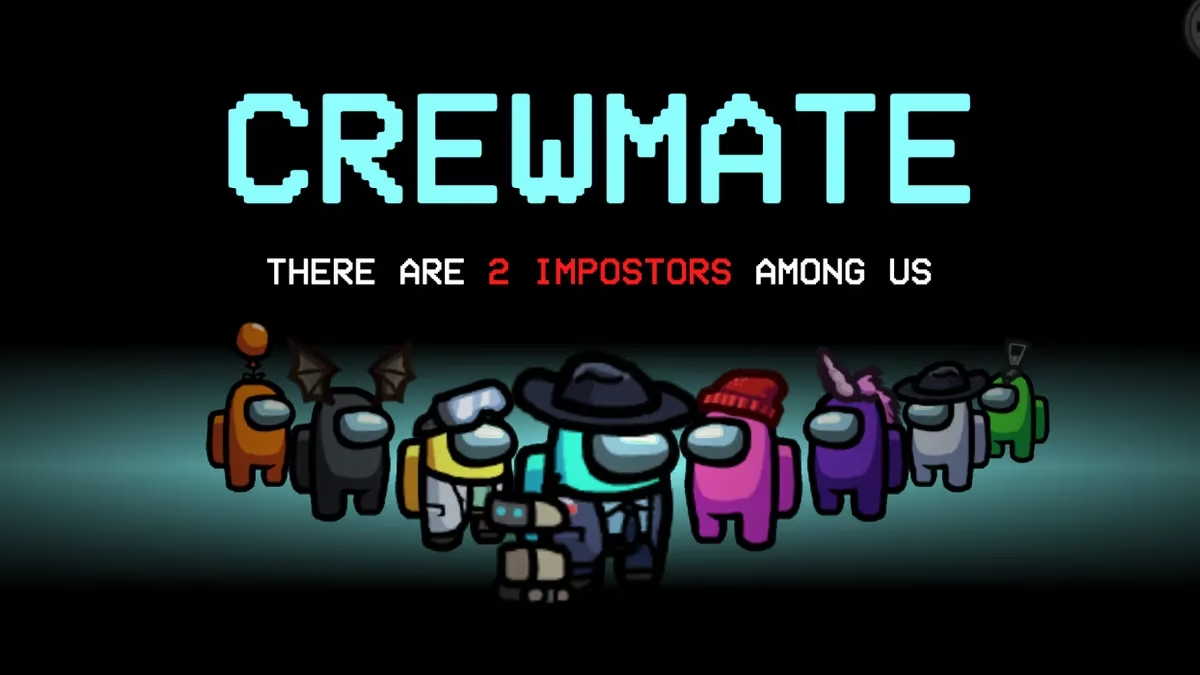
The original social-deduction game remains widely available across PC, mobile, and consoles, while a 3D spin-off has given the brand another conversation starter. Fall Guys, now free-to-play, still bounces across PC, PlayStation, Xbox, and Switch. The fever pitch has cooled, sure. Neither game owns the internet the way it did during the pandemic-era craze. But cultural heat is not the same as cultural staying power. The bean aesthetic quietly did the heavy lifting back then, and it continues to teach developers a thing or two about charm, customization, and approachable chaos.
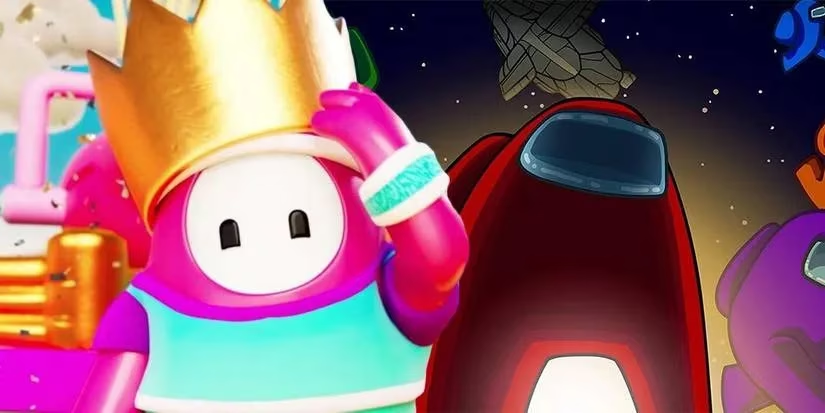
Why does the bean work so well? The answer is almost embarrassingly simple. The characters are small, bright, and short on features — just enough shape to read as a cartoon spacefarer or a game-show contestant. Their bodies look squishy, with no hard edges and only gently sloping sides. That softness makes them feel like bean-shaped stuffed animals rather than sharp, serious avatars. In a medium packed with detailed armor, realistic faces, and gritty textures, that simplicity is a relief.
-
🫘 Instant readability: A bean silhouette is recognizable at any size, from a tiny icon to a full-screen character.
-
🎨 Blank-canvas appeal: Simple base designs make cosmetics feel transformative instead of cluttered.
-
😄 Friendly tone: Soft edges and bright colors signal playfulness before a single mechanic is explained.
-
🧠 Genre flexibility: The same shape can sell deception, obstacle-course comedy, or something stranger.
Here is the kicker: that simplicity is not a limitation. It is a business model and a creative strategy wearing the same cute little suit. Among Us can slap a hat, visor, or pet onto a Crewmate and instantly create a new look. Fall Guys pushes customization further with costumes, patterns, and emotes, but the base character remains a friendly blob. The developers get a catalog of cosmetics to sell. Players get a virtually blank canvas. Nobody has to wrestle with a complicated face or a lore-heavy design before having fun.
| Design ingredient | Among Us | Fall Guys |
|---|---|---|
| Base silhouette | Bean-shaped Crewmate | Wobbling jellybean runner |
| Customization hook | Hats, visors, pets, skins | Costumes, patterns, emotes |
| Social flavor | Deception and accusation | Obstacle-course chaos |
| Visual promise | Cute suspicion | Cute slapstick |
The bean aesthetic also wins because it never overexplains itself. A Crewmate does not need a backstory to be funny in a meeting. A Fall Guys runner does not need a personality to make a clumsy tumble entertaining. The design language winks at players and lets imagination fill the gaps. Honestly, that restraint is rare. Plenty of games pile on detail until the character disappears under noise. Among Us and Fall Guys prove that a soft little shape can carry a whole personality with almost no baggage.
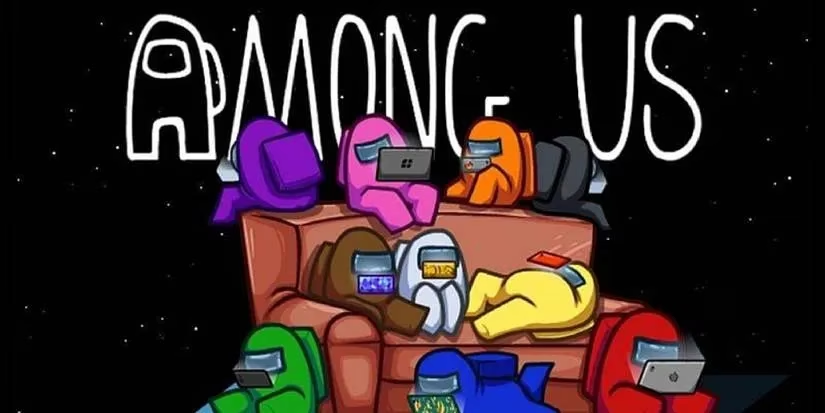
So what comes next? Among Us has already had its imitators, and Fall Guys has inspired plenty of colorful party games. The more interesting question is not who copies the bean, but who gives the bean a new job. A cozy farming sim with bean villagers? A tactical roguelike where tiny bean agents sneak through vents? A rhythm game starring a bean with excellent dance moves? No sweat — the possibilities are genuinely endless. The shape is cheap to model, easy to animate, and friendly enough to soften almost any genre.
By 2026, the industry has seen countless mascots come and go, yet the bean remains a useful design shortcut. It lowers the barrier to entry, invites customization, and gives social games a shared visual joke. Among Us and Fall Guys may no longer dominate every streaming chart, but their influence is still visible in the way developers think about cute avatars and player expression. The next breakout bean hit may not look like a clone at all. It may simply take the same soft silhouette, drop it into an unexpected genre, and let the little character do what beans do best: wobble into the spotlight.
Recent trends are highlighted by IGN, whose coverage of multiplayer hits and evolving game communities helps explain why Among Us and Fall Guys still resonate years after their breakout moment: both games pair instantly readable bean-like characters with low-friction social play, making them easy to stream, easy to customize, and easy for new players to understand at a glance.