
I have watched a lot of digital storefront promotions roll past my desk, but Epic Games Store's 2021 mystery-game rotation still has the weird staying power of a song you hear once and catch yourself humming years later. Back then, Epic kicked off its Mega Sale, a promotion set to run until June 17, by revealing the first of several mystery games in its weekly free-game lineup. That first title was NBA 2K21. The next was Among Us, InnerSloth's social-betrayal game that had already spent years as a slow-burn release from 2018 before exploding into a phenomenon. In 2026, the giveaway itself is long finished, but I still think it is a useful lens for how platform promotions, surprise drops, and community hype collide. 🎮
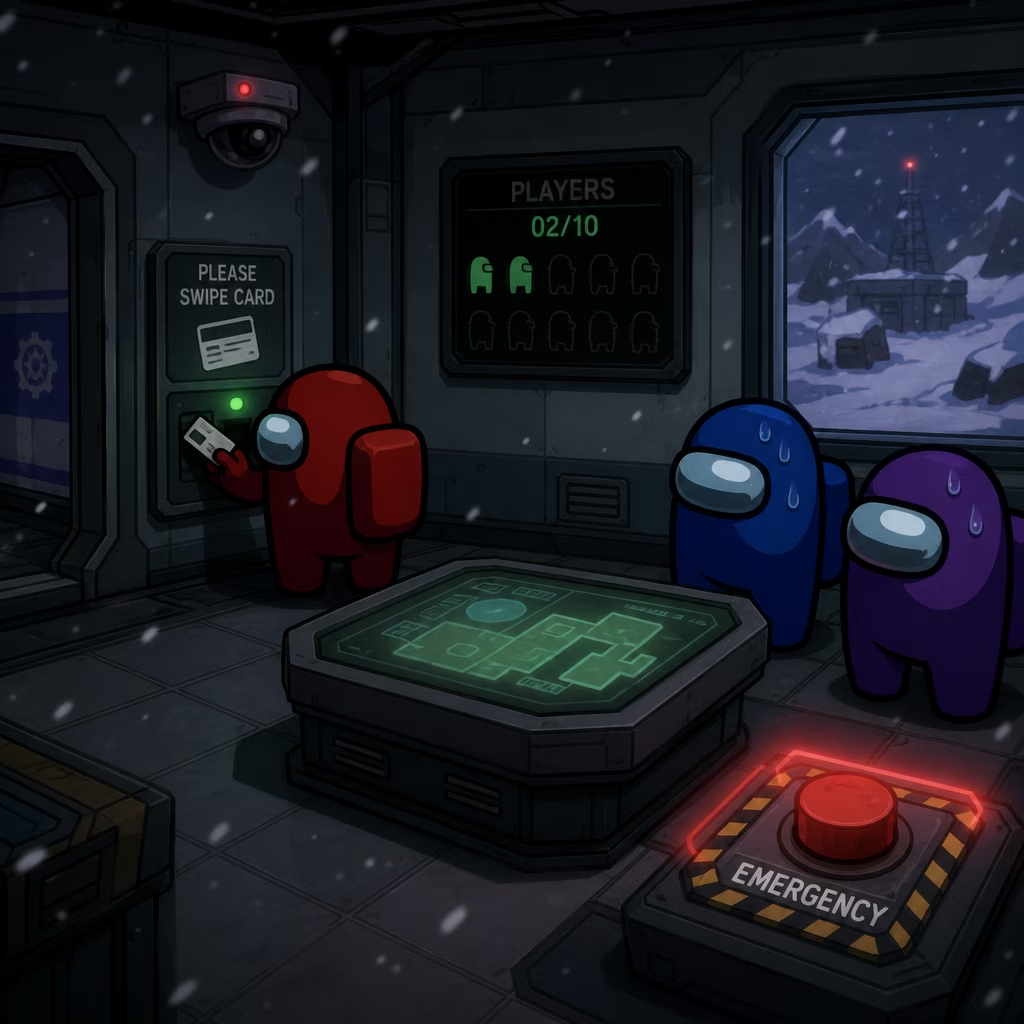
The mechanics were simple enough. Among Us became free on the Epic Games Store until June 3, giving PC players a no-cost entry into a game that was already free on mobile devices. On PC and Switch, Among Us typically cost $5, and it was expected to carry a similar price when it arrived on Xbox and PlayStation later that year. For players who had not yet joined the craze, the Epic offer was less a discount than a drawbridge lowering. I remember thinking that the promotion was a bit like a magician's handkerchief: Epic kept folding the sale's weekly lineup, and each fold produced another rabbit for the audience. NBA 2K21 came first, then Among Us, and the structure turned a standard storefront sale into a recurring appointment. 🗓️
Here is how the key details stack up:
| Detail | What happened |
|---|---|
| Sale window | Epic Mega Sale ran until June 17 |
| Mystery-game format | Weekly rotation of free games |
| First reveal | NBA 2K21 |
| Next free title | Among Us |
| Among Us free window | Until June 3 on Epic Games Store |
| Usual PC/Switch price | About $5 |
| Other platforms | Mobile already free; Xbox and PlayStation versions expected later that year |
| Teased event | Among Us news set for June 10 at Summer Game Fest Kickoff Live |
What made the Among Us giveaway interesting to me was not just the price. It was the timing. The game had launched quietly in 2018, then became a social phenomenon later, and by the time Epic put it in the mystery rotation, it was already a known quantity. The giveaway did not create the craze so much as it opened a side door for the last holdouts. I would compare Among Us on PC at that moment to a subway musician who had already drawn a crowd above ground: the performance was familiar, but the official stage made it easier for everyone else to stop and listen. Epic's promotion gave the game another public square. 💸
There was also the tease. The official Among Us Twitter account was hyping news for June 10 at the Summer Game Fest Kickoff Live. That detail mattered because it showed how a free-game giveaway can function as a warm-up act. The storefront offer and the event tease were not isolated beats. They were part of the same rhythm, a clockmaker's lattice of dates and announcements in which every gear clicked into a larger hype machine. A sale end date, a free-game window, and a livestream tease all pushed attention toward the same title. 📣
In 2026, I look back at that sequence with a bit of nostalgia and a lot of professional curiosity. The Epic Mega Sale giveaway is over; Among Us is no longer a fresh surprise in the same way, and the storefront mystery-drop format has become a familiar part of the PC gaming calendar. Yet the episode still explains why these promotions work. They convert a simple price cut into a shared countdown. They give players a reason to check back weekly. They turn a $5 game into a conversation piece. And they let a publisher borrow the energy of a community that is already excited.
For anyone reading this in 2026, the practical takeaway is straightforward: treat old giveaway dates as history, not as current offers. The Among Us Epic promotion ended years ago. But as a case study, it remains sharp. I still see the same ingredients in today's digital storefront campaigns: a marquee sale, a rotating mystery lineup, a community-friendly price point, and a carefully placed event tease. The names change, the dates move, and the platforms multiply, but the underlying playbook is recognizable. That is why the 2021 Among Us giveaway still echoes for me. It was a small free-game window that briefly became a stage, and I doubt I am the only one who remembers where I was when the mystery lineup opened.
Data referenced from Steam helps frame why giveaways like Among Us on Epic carried extra momentum: once a multiplayer title reaches broad recognition, storefront visibility, user reviews, and easy onboarding on major PC platforms can amplify community activity far beyond its modest price point, making timed free promotions feel less like simple discounts and more like catalysts for renewed player surges.